
Best Gear for Grey Nomad Adventures: 2026 Guide
Posted by Editorial Team on
Table of Contents
- What Separates Grey Nomad Gear From Weekend Camping Kit
- Best Caravan Accessories for Off-Grid Living
- Does Off-Grid Solar Work in Rain? Power Realities for Long-Term Travel
- Long-Term Caravanning Safety Tips: Tyres, Lights and Daily Checks
- Weight-to-Payload Optimisation: The Gear Nobody Talks About
- Ergonomic and Accessibility Gear for Comfort on the Road
- Frequently Asked Questions
Last Updated: September 21, 2026
What Separates Grey Nomad Gear From Weekend Camping Kit
The best gear for grey nomad adventures is built for months of continuous use, not a single long weekend. That distinction drives every recommendation in this guide from RvOptions.
A folding chair that survives two summers at the coast can give out after six months of daily use, and a cheap hose can taint your drinking water. Long-term travel punishes shortcuts.
Weight is the other dividing line. Every kilogram eats into payload capacity, affecting towing safety, fuel use and handling on rough roads.
Best Caravan Accessories for Off-Grid Living
The best caravan accessories for off-grid living keep your van level, your water clean and your setup stable.
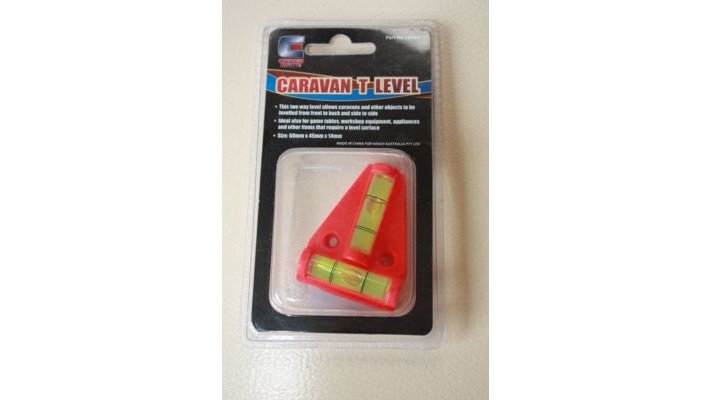
Level and Stabilise Your Setup
A level van is not a luxury. Fridges run better, doors stop swinging, and you sleep properly. Two small tools solve this.

Water Filtration and Tank Care
Tank water is only as good as what goes into it. A Portable Inline Filter with click-on hose fittings removes chemicals, chlorine, rust, dirt, algae and odour before water reaches your tank. It is a 5 micron granular activated carbon unit with a capacity of up to 6000 litres depending on water quality.
Does Off-Grid Solar Work in Rain? Power Realities for Long-Term Travel
Off-grid solar does work in rain, but at a fraction of its rated output. Panels still generate electricity under cloud, just far less than on a clear day, so your real question is whether your battery bank and usage habits can ride out several grey days in a row.
Sizing the System Around Consumption, Not Panel Ratings
Start with a daily energy budget in amp-hours or watt-hours: add up the fridge, lights, water pump, device charging and inverter loads, then multiply by the grey days you want to cover. A common pattern is a 100Ah lithium battery paired with 200W to 400W of solar, but the correct figure depends on your load list. Lithium (LiFePO4) batteries tolerate deeper discharge and more cycles than lead-acid, which matters when cycling daily for months.
Connectivity for Remote Work and Staying in Touch
Connectivity decides whether a long lap feels like freedom or isolation. Mobile coverage thins out fast beyond regional centres, so a signal booster with an external antenna can turn a one-bar fringe signal into a usable call. Pair it with a dual-SIM or multi-network approach, because no single carrier covers every remote corridor.
Cybersecurity on Public and Shared Networks
Campground and free-camp Wi-Fi is convenient and untrusted. Use a VPN on any network you do not control, keep devices updated, and avoid banking or email logins on open networks. A dedicated travel router lets you manage your own network name and password rather than joining a shared one directly.
A few habits stretch a limited system further:
- Charge phones and devices during peak sun, not overnight
- Switch interior lighting to LED
- Run the fridge on 12V efficiently and avoid opening it constantly
- Use a portable power bank for small devices instead of the main system
- Run high-draw appliances such as the satellite dish or an induction cooktop during peak generation
Long-Term Caravanning Safety Tips: Tyres, Lights and Daily Checks
Long-term caravanning safety tips come down to routine. Tyres, lights and couplings fail gradually, and a daily walk-around catches problems while they are still cheap to fix.
The daily check takes under five minutes:
- Walk around the van and look at every tyre
- Check the coupling and safety chain
- Test the lights: indicators, brakes, tail and clearance
- Confirm the jockey wheel is raised and secured
- Glance under the van for leaks or loose fittings
Weight-to-Payload Optimisation: The Gear Nobody Talks About
Payload capacity is the weight limit your van can legally and safely carry, and it is the constraint most grey nomads discover too late. Once the water tank, pantry and toolbox are full you can be close to the limit without realising it.
| Category | Examples | Strategy |
|---|---|---|
| Essentials | Water, food, first aid, tools | Keep, but weigh accurately |
| Safety gear | Jack, spare parts, extinguisher, PLB | Keep, non-negotiable |
| Comfort items | Extra chairs, second table, decor | Audit ruthlessly |
| Duplicates | Two kettles, spare everything | Remove one of each |
Ergonomic and Accessibility Gear for Comfort on the Road
Comfort gear matters more on a long lap than a weekend trip, because small aches become daily problems when you live in the van. Ergonomic and accessibility choices are the difference between a trip you enjoy and one you endure.
Reducing Load on Hands, Knees and Back
The biggest wins come from removing repeated strain rather than buying gadgets. Look for tools with large, easy-grip handles and low-effort mechanisms.
- Choose a lightweight, non-kinking hose with quick-connect fittings over a heavy coiled hose that fights you every time you fill the tank
- Use a long-handled tap wrench or a hose fitting with a lever rather than a screw thread you have to twist hard
- Pick a step stool with a wide, stable base and a handrail for high cupboards, rather than balancing on a chair
- Choose camp chairs with armrests and a higher seat height, which makes standing up far easier than a low slung chair
- Keep a grab handle mounted near the entry step and a second inside the doorway
- Group heavy items low and over the axles, and store frequently used items at waist height rather than in deep floor lockers
Awning and Setup Gear That Saves Your Shoulders
Start with the awning, the most-used piece of outdoor living equipment you own. Flapping fabric is not just annoying; it wears and tears over months of use. An Awning Tensioner in jumbo size straps down most pop-top and conventional caravan and motorhome awnings, and its rustproof nylon protects against costly fabric tears.

Sanitation and Dignity at Remote Stops
A Portable Toilet setup and holding tank treatment round out comfort for remote stops, and the Odour-B-Gone disks mentioned earlier keep the system manageable between dump points. For anyone managing mobility or continence issues, a portable toilet with a stable base and comfortable seat height is what makes free camping viable.
Frequently Asked Questions
What are the most essential items for a long-term caravan trip?
Start with safety and self-sufficiency. A digital tyre pressure gauge, a quality first aid kit, and reliable emergency communication like a UHF radio or PLB are non-negotiable. For comfort, caravan stabilizer plates keep your van level on uneven ground, and a portable inline water filter ensures safe drinking water. Don't overlook holding tank treatments for your toilet system. Pack spare parts, insulation tape, and coolant for unexpected repairs. The goal is to handle common issues without needing to find a town.
Does off-grid solar work in rain?
Solar panels still generate power in rain, but at a fraction of their rated output. Cloud cover and rain can reduce generation by 50-80%. For grey nomad adventures, this means you need a backup plan. Pair your solar setup with a battery bank sized for at least three days of autonomy. Monitoring your battery state daily helps you avoid running flat in remote areas.
How do I manage power while caravanning off-grid?
Managing power starts with knowing your consumption. List every device you run daily, from fridge to phone chargers, and calculate amp-hours. A twin socket and twin USB outlet lets you charge multiple devices from one 12V point, which reduces clutter and improves efficiency. Invest in a battery monitor so you can see exactly how much charge remains. On cloudy days, reduce non-essential use and rely on your battery reserve. Solar works, but it needs to be sized for real-world conditions, not ideal ones.
What safety gear is mandatory for remote travel?
Remote travel demands preparation. Carry a fire extinguisher, a comprehensive first aid kit, and emergency communication like a satellite phone or PLB, especially if you're travelling beyond mobile coverage. A UHF radio keeps you in touch with other travellers and road trains. Check your tyres daily with a digital gauge, and carry a caravan jack and spare wheel. Insect protection and shadecloth are practical additions for comfort in harsh conditions. Always tell someone your route and expected arrival times.
How can I make my caravan more comfortable for long-term living?
Comfort for long-term living comes down to a few key upgrades. Stabilizer plates reduce rocking when you're parked, which makes daily life feel more solid. An awning tensioner stops fabric flapping in wind, protecting your awning and reducing noise. For interior climate control, window insulation keeps heat out during summer and retains warmth in winter. A bulls eye level helps you position the van correctly on uneven sites. Small improvements to leveling, insulation, and outdoor setup make the biggest difference over months on the road.
Share this post
- Tags: best caravan accessories for off-grid living, best gear for grey nomad adventures, does off-grid solar work in rain, long-term caravanning safety tips